Blending spice mixes
CostLow to Medium
Includes: Bulk individual spices that last for dozens of batches Example: Initial spice collection 20-40
What it is
A jar of branded curry powder might list a dozen spices, but the same blend made at home costs perhaps a third as much and tastes noticeably brighter, because ground spices lose much of their aroma within six months of grinding.
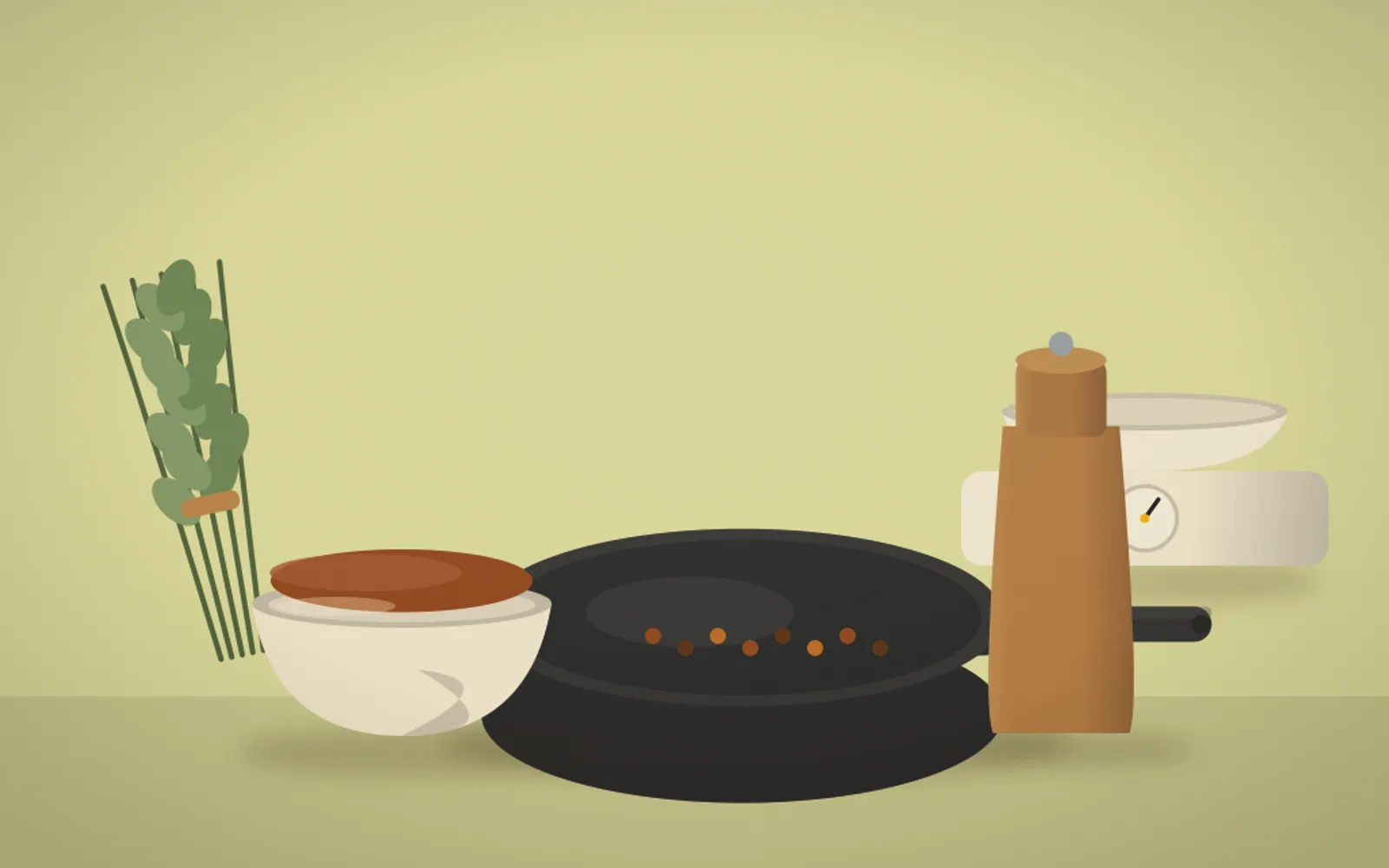
Blending spice mixes is the practice of combining whole or ground spices in deliberate proportions to create your own seasoning blends, from garam masala and ras el hanout to taco seasoning and barbecue rubs. The craft is partly about ratio and partly about freshness. Toasting and grinding whole spices yourself releases volatile oils that pre-ground supermarket versions have long since lost, which is why a homemade blend smells so much more alive.
The technique centres on toasting and balance. Gently warming whole spices like cumin, coriander, and fennel in a dry pan until fragrant wakes up their oils before you grind them. Then balance is everything: a base of earthy spices, a layer of warmth from cinnamon or clove, a lift from something citrusy or peppery, and salt to tie it together. Most people start by recreating a blend they buy often, then adjust it to taste over a few batches.
The honest reality is that a cheap electric grinder or a mortar and pestle is the real unlock, and grinding whole spices is messy and a little time-consuming. But the difference in flavour is dramatic, the cost is lower, and you control exactly what goes in, with no fillers or anti-caking agents.
How it works
Toast whole spices before grinding and the difference is night and day. Whole cumin, coriander, fennel, and peppercorns hold their oils until heat releases them, so a minute in a dry pan over medium heat until they smell fragrant and just start to pop wakes up flavours that pre-ground powders have already lost to the air.
Grind only what you need, when you need it. Pre-ground spices stale within months as their volatile oils evaporate, which is why a supermarket jar of ground cumin tastes of almost nothing. A dedicated electric coffee grinder kept solely for spices, or a heavy pestle and mortar, gives you fresh powder with real punch. Wipe the grinder with a piece of dry bread to clean it between strong spices.
Balance a blend by thinking in roles. There is usually a warm base like cumin or coriander, an aromatic lift like cardamom or cinnamon, a heat element like chilli or pepper, and sometimes an earthy depth like turmeric. Build in small spoonfuls, smelling and tasting a pinch as you go.
Let a finished blend rest a day in a sealed jar before judging it, because the flavours marry and round out. Store away from heat and light, not on a rack above the stove where the warmth degrades them fast.
Benefits
What you need
Here's what to gather before you start. The essentials are marked.
Some links below are affiliate links. As an Amazon Associate, trylii.com earns from qualifying purchases, at no extra cost to you.
FAQs
Whole, toasted and ground fresh, whenever you can. Pre-ground spices lose their oils and go flat within months, while whole spices hold flavour for a year or more and taste dramatically brighter once freshly ground. I toast whole spices in a dry pan until fragrant, let them cool, then grind them. The difference is night and day, especially for cumin, coriander, and fennel.
A cheap electric coffee grinder kept just for spices does the job perfectly. I have one dedicated to spices (around €15-20) so nothing tastes of coffee, and it handles everything except very hard spices like cinnamon bark. A mortar and pestle works too and gives you more control, though it's slower. Don't use your coffee grinder for both, or your coffee will taste of cumin.
Build in stages and taste as you go. I start with the base spices in the largest amount (often cumin and coriander), add the warming and aromatic ones in smaller quantities, then the potent ones (clove, cardamom, chilli) in tiny amounts last. Write down what you use, because a good blend is worth repeating and impossible to recreate from memory. Add the strong spices cautiously, since they're hard to pull back.
About six months at full strength, stored airtight away from heat and light. They don't spoil as such, but they fade, so I make small batches rather than big jars that sit half-used for a year. Keep them out of the cupboard above the stove, where heat kills them fastest. Label with the date so you know when they're past their best.
You might also like
 KITCHEN
Infused butters
KITCHEN
Infused butters
 KITCHEN
Sculpted bread art
KITCHEN
Sculpted bread art
 KITCHEN
Piping buttercream flowers
KITCHEN
Piping buttercream flowers
 KITCHEN
DIY caramel sauces for gifting
KITCHEN
DIY caramel sauces for gifting
 KITCHEN
Honeycomb candy making
KITCHEN
Honeycomb candy making
 KITCHEN
Fermenting hot sauce
KITCHEN
Fermenting hot sauce
 KITCHEN
Banana peel bacon
KITCHEN
Banana peel bacon
 KITCHEN
Aspic and savoury jellies
KITCHEN
Aspic and savoury jellies
 KITCHEN
Identifying edible wild greens
KITCHEN
Identifying edible wild greens
 KITCHEN
Traditional pasta making
KITCHEN
Traditional pasta making
 TOGETHER
Backyard Olympics
TOGETHER
Backyard Olympics
 CRAFT
Mini food sculpting (clay)
See all in In the Kitchen
CRAFT
Mini food sculpting (clay)
See all in In the Kitchen