Miniature furniture
CostMedium
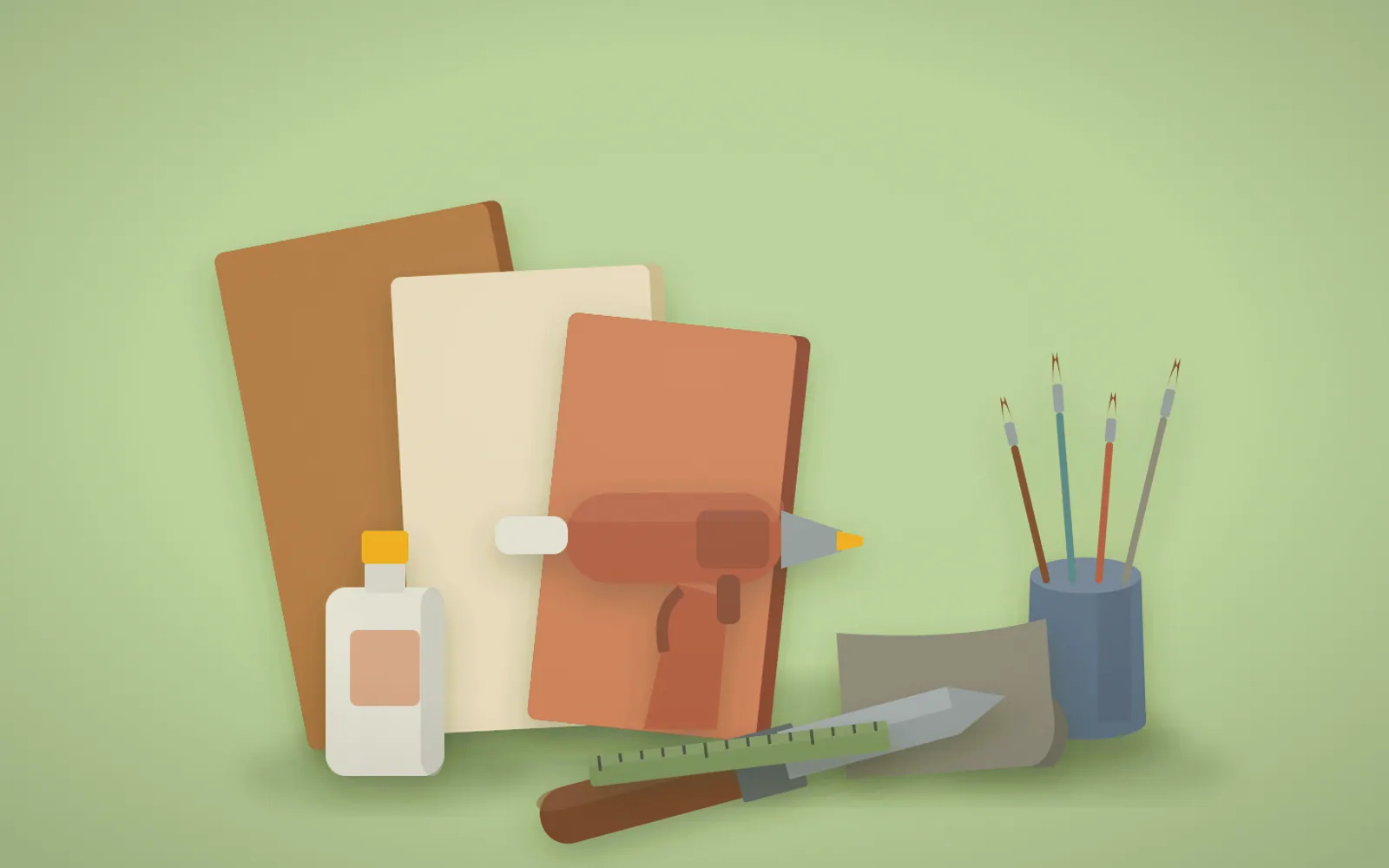
Includes: Wood sheets, tools, glue, paint, cutting mat, fabric scraps, kits or templates Example: DIY kits around €50-100; custom tool sets, premium supplies, or full room boxes cost more
What it is
Pick up a sofa the size of a matchbox and the first thing you notice is the weight. There is almost none. The second thing is how convincing it looks anyway. Scale model furniture is the practice of building chairs, tables, beds, and cabinets at dollhouse proportions, usually 1:12, where one inch stands in for a foot of the real thing.
Most people start with a single piece. A bookshelf, maybe a farmhouse stool. The materials are deliberately ordinary. Balsa wood, foam board, cardboard rescued from packaging, fabric offcuts, the odd toothpick. A strip of fine sandpaper glued flat passes for a woven rug at this size, and nobody questions it.
There is a split in the craft worth knowing about. Some builders chase total realism, matching real furniture styles down to faux wood grain and period-correct joinery. Others go stylised. Pastel couches, fantasy kitchenettes, the occasional post-apocalyptic armchair held together with rust washes. Neither camp is wrong, and plenty of people drift between them depending on mood.
What surprises most newcomers is how the scale rewires your thinking. A full-size table is just a table. At 1:12 every joint, corner, and curve becomes a small engineering decision, and that constraint is exactly what makes it absorbing. The learning curve is real but short. After the third piece, proportion starts to feel instinctive.
How it works
Everyone glues before dry-fitting, and everyone regrets it. Hold the pieces together with your fingers first, check the angles, then commit the glue. A misaligned chair leg set in fast-grab adhesive is nearly impossible to correct without snapping the joint, and at this scale snapping usually means starting that part again.
The materials are deliberately humble. Balsa wood, foam board, cardboard salvaged from packaging, fabric offcuts, the occasional dowel or toothpick. Cutting is where most beginners struggle, so a fresh blade matters more than an expensive knife. A dull X-Acto crushes balsa instead of slicing it, leaving a ragged edge that no amount of sanding fully cleans up. Snap a new segment off the blade every project or two.
Glue choice depends on the joint. Aleene's Tacky Glue grabs fast and dries clear, which suits most wood-to-wood and fabric work. PVA wood glue gives a stronger bond but needs clamping and patience. Hot glue tempts beginners because it sets instantly, yet it strings and lumps on small surfaces and the bond stays slightly flexible, which shows on a piece meant to look rigid. For upholstery, thin the PVA slightly so the fabric stays supple rather than drying into a board.
Benefits
What you need
Here's what to gather before you start. The essentials are marked.
Some links below are affiliate links. As an Amazon Associate, trylii.com earns from qualifying purchases, at no extra cost to you.
FAQs
Less than you would think. A craft knife, a steel ruler, a cutting mat, some PVA wood glue, and a sheet of 2mm or 3mm balsa wood will carry you through your first three or four pieces. I add a sanding block and a few clothes pegs to act as clamps while glue sets. The whole starter kit comes in under €25, and most of it lasts for years.
PVA wood glue for anything wood to wood. It bonds clean, dries clear, and gives you about a minute to nudge a joint into square before it grabs. For fabric onto wood, I switch to a tacky craft glue like Aleene's, because it stays slightly flexible and does not soak through thin upholstery. Super glue gel only comes out for metal fittings or fast repairs. The mistake most beginners make is flooding a joint with super glue, which goes brittle and snaps the first time the piece gets handled.
No. At 1:12 scale you are cutting balsa and basswood, both soft enough to slice with a sharp knife, so there is no sawing, planing, or real joinery involved. The skill that matters is patience with measuring, not strength or power tools. My first chair was lopsided and I loved it anyway. By the fourth piece, proportion starts to feel automatic.
Building from raw materials is cheaper per piece once you own the basics, but kits teach you faster. A Rolife or Robotime room kit costs €20-40 and walks you through techniques you would otherwise learn by trial and error. I built two kits before going freestyle, and the muscle memory from following good instructions was worth far more than the small saving on materials.
You might also like
 COLLECT
Trading card collecting
COLLECT
Trading card collecting
 COLLECT
Ships in bottles
COLLECT
Ships in bottles
 COLLECT
DIY miniature lighting (LEDs, tiny lamps)
COLLECT
DIY miniature lighting (LEDs, tiny lamps)
 COLLECT
Model building (cars, planes)
COLLECT
Model building (cars, planes)
 COLLECT
Post-apocalyptic or ruin scene building
COLLECT
Post-apocalyptic or ruin scene building
 COLLECT
Lego architecture sets
COLLECT
Lego architecture sets
 COLLECT
Adding lighting effects (fibre optics, LEDs) to scenic builds
COLLECT
Adding lighting effects (fibre optics, LEDs) to scenic builds
 COLLECT
Creating collector’s journals (documenting history / value)
COLLECT
Creating collector’s journals (documenting history / value)
 COLLECT
Fantasy terrain for RPGs or tabletop games
COLLECT
Fantasy terrain for RPGs or tabletop games
 COLLECT
Enamel pin collecting
COLLECT
Enamel pin collecting
 VISUAL
Photographic storytelling (photo essay creation)
VISUAL
Photographic storytelling (photo essay creation)
 VISUAL
Gothic blackletter calligraphy
See all in Collector's Corner
VISUAL
Gothic blackletter calligraphy
See all in Collector's Corner