Mountain biking
CostHigh
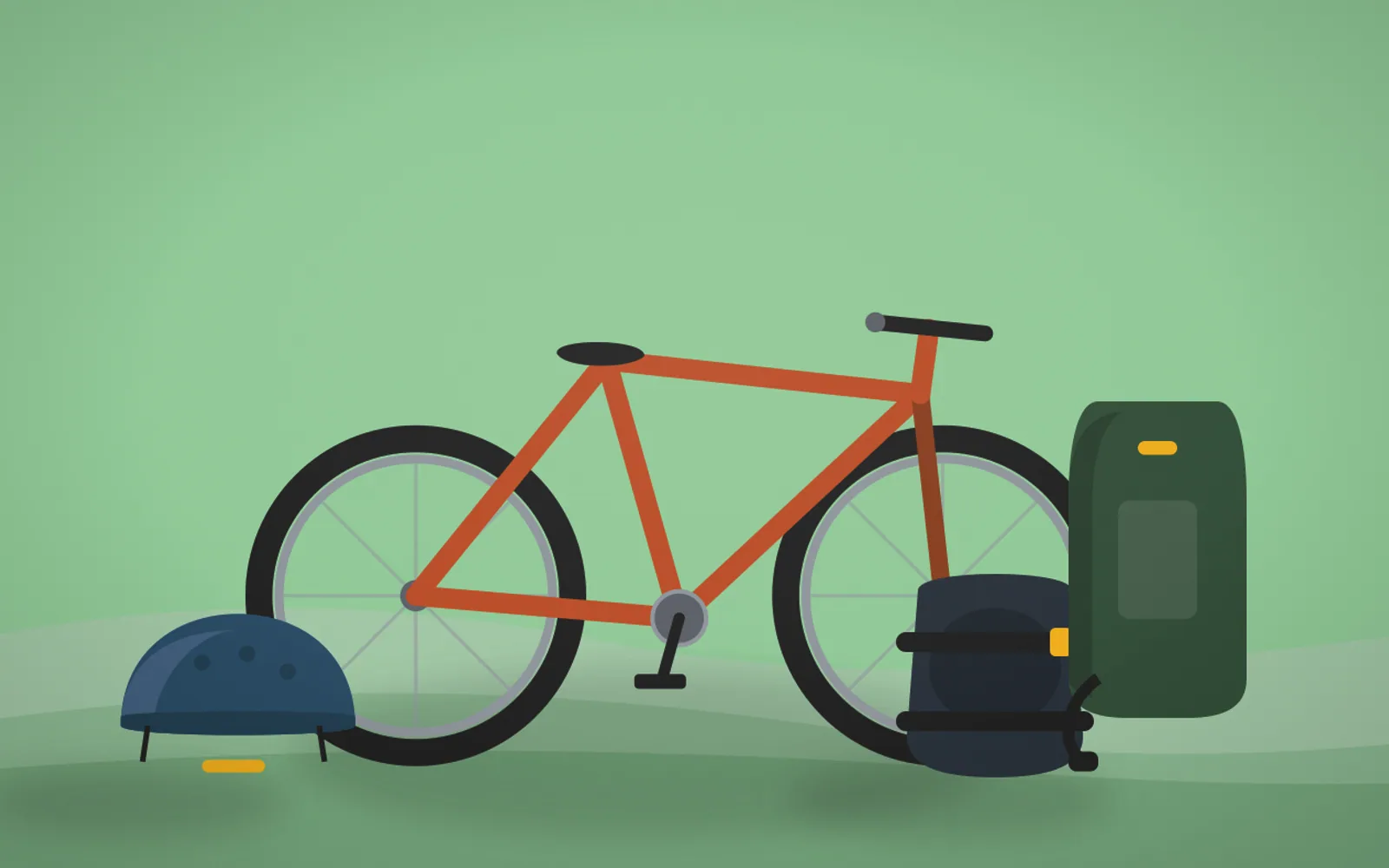
Includes: A trail hardtail or full suspension bike plus protection Example: Trail hardtail €600–1,500, helmet and protection €100–200
What it is
Suspension, fat knobbly tyres, and a frame built to be thrown down a rocky descent are what separate a mountain bike from anything you would ride to the shops. Mountain biking is the practice of riding off-road on rough terrain, forest singletrack, rocky descents, root-laced climbs, purpose-built trails, on a bike designed to absorb the punishment and keep you in control.
The terrain is the entire point. A mountain bike is built to go where road bikes cannot, and the experience ranges enormously: gentle gravel forest tracks at one end, steep technical descents over rock and root at the other. The common thread is the engagement. Picking a line through a rock garden, weighting the bike through a bermed corner, reacting to terrain that changes by the second, demands total focus, and that focus is exactly what riders find so absorbing. It is a fast, skill-rich, full-body activity that doubles as a way deep into the landscape.
The disciplines fan out. Cross-country covers distance and climbing, trail riding balances up and down, downhill is gravity and adrenaline, and "enduro" times the descents while you pedal between them. Trail centres, with graded routes from green to black like ski runs, have made the sport hugely accessible, letting beginners build skill on easy flowing trails before tackling harder ground.
The honest trade-offs are cost and crashes. A capable bike is a real investment, and falling off is part of learning, which is why riders wear helmets, gloves, and often more armour as the terrain gets serious. Get the basics and the right trail, though, and few things deliver such a pure rush in the outdoors.
How it works
A graded trail centre is the right tool to learn on, because its colour-coded runs, blue for beginner, red for intermediate, black for advanced, let you match terrain to skill the way ski pistes do. Start on the blues, where flowing, well-built trails teach you to ride without throwing you at rocks you are not ready for. The grading is consistent and honest, so trust it and build up rather than jumping ahead.
Master body position before anything technical, because it underpins every skill. Stay in the "attack position": pedals level, knees and elbows bent, weight centred and low, butt slightly off the saddle so the bike can move beneath you over bumps. Beginners ride stiff and seated and get bounced around, where a loose, athletic stance lets the bike float over rough ground while your body stays stable.
Learn to look ahead and to brake properly, the two skills that change everything. Look where you want to go, several metres up the trail, not at the rock you fear, because you steer toward whatever you stare at. For braking, the front brake provides most of your stopping power, but grab it alone and you risk going over the bars, so use both together, brake before corners rather than in them, and keep a finger ready rather than a fistful of panic.
Manage the descents with a dropper post if your bike has one, since getting the saddle out of the way lets you shift your weight back and low over steep ground, the single change that transformed the sport. Wear a proper helmet and gloves, accept that falling is part of learning, and add more protection as the terrain gets serious. The focus the trail demands, picking a line through a rock garden in real time, is exactly what makes it so absorbing.
Benefits
What you need
Here's what to gather before you start. The essentials are marked.
Some links below are affiliate links. As an Amazon Associate, trylii.com earns from qualifying purchases, at no extra cost to you.
FAQs
A hardtail (front suspension only) in the €500-900 range is the sweet spot for most beginners. A hardtail is cheaper, simpler to maintain, and teaches better technique than a full-suspension bike, which can mask sloppy riding. Avoid supermarket "mountain bikes" under €300, because their heavy frames and weak components fail fast on real trails. Buy from a proper bike shop and get the size right.
Get your weight back and low, and use both brakes smoothly rather than grabbing the front. The instinct to brake hard on the front wheel while leaning forward is exactly what sends people over the bars, so I shift my hips back behind the saddle on steep stuff and feather both brakes. Your front brake does most of the stopping, but it must be applied progressively, not snatched.
A proper helmet is non-negotiable, and gloves and knee pads are well worth it. A mountain bike helmet (with more rear-head coverage than a road helmet) is the one item I never ride without, because head injuries are the serious risk here. Knee pads save a lot of skin and confidence on the inevitable early falls. Eye protection keeps grit and branches out of your eyes too.
Completely normal, and even experienced riders do it. Walking a feature you're not ready for (it's called "sessioning" when you go back to practise it) is smart, not cowardly, because riding within your limits is how you avoid the injuries that end people's seasons. I walked plenty of drops for months, then rode them when ready. There is no shame in it and every good rider has done it.
Less than you'd think to start, because you can pick gentle trails and stop whenever you like. Mountain biking builds fitness fast and is forgiving for beginners, since gears let you spin up climbs slowly and gravity does the fun part on the way down. Start with green and blue graded trails at a trail centre, which are built and signposted for exactly this.
⚠️ Safety warning: Always wear a helmet, ride within your ability, and build up to technical features gradually. Carry water, a basic repair kit, and a phone, tell someone your route on remote trails, and check your brakes before every ride.
You might also like
 WILD
Autumn leaf-peeping hikes
WILD
Autumn leaf-peeping hikes
 WILD
Cyclocross riding
WILD
Cyclocross riding
 WILD
Snorkeling in rivers/lakes
WILD
Snorkeling in rivers/lakes
 WILD
Skimboarding
WILD
Skimboarding
 WILD
Padel tennis
WILD
Padel tennis
 WILD
Forest bathing walks
WILD
Forest bathing walks
 WILD
Tidepool exploration
WILD
Tidepool exploration
 WILD
Paddleboarding on calm waters
WILD
Paddleboarding on calm waters
 WILD
Water sourcing and purification
WILD
Water sourcing and purification
 WILD
Map & compass navigation
WILD
Map & compass navigation
 CRAFT
Pressed flower art
CRAFT
Pressed flower art
 SKILL
Building line-following robots
See all in Wild & Active
SKILL
Building line-following robots
See all in Wild & Active