Paper plate masks or creatures
CostLow
Includes: Paper plates, craft supplies, glue, scissors, markers, decorations Example: Most people use what they already have. Full kits or classroom sets range from €10–€50.
What it is
A single paper plate costs around five cents in a pack of a hundred. From that you can make a dragon, a butterfly, or a googly-eyed monster that somehow resembles your uncle. The gap between the cost of the material and what comes out of it is the whole charm of this one.
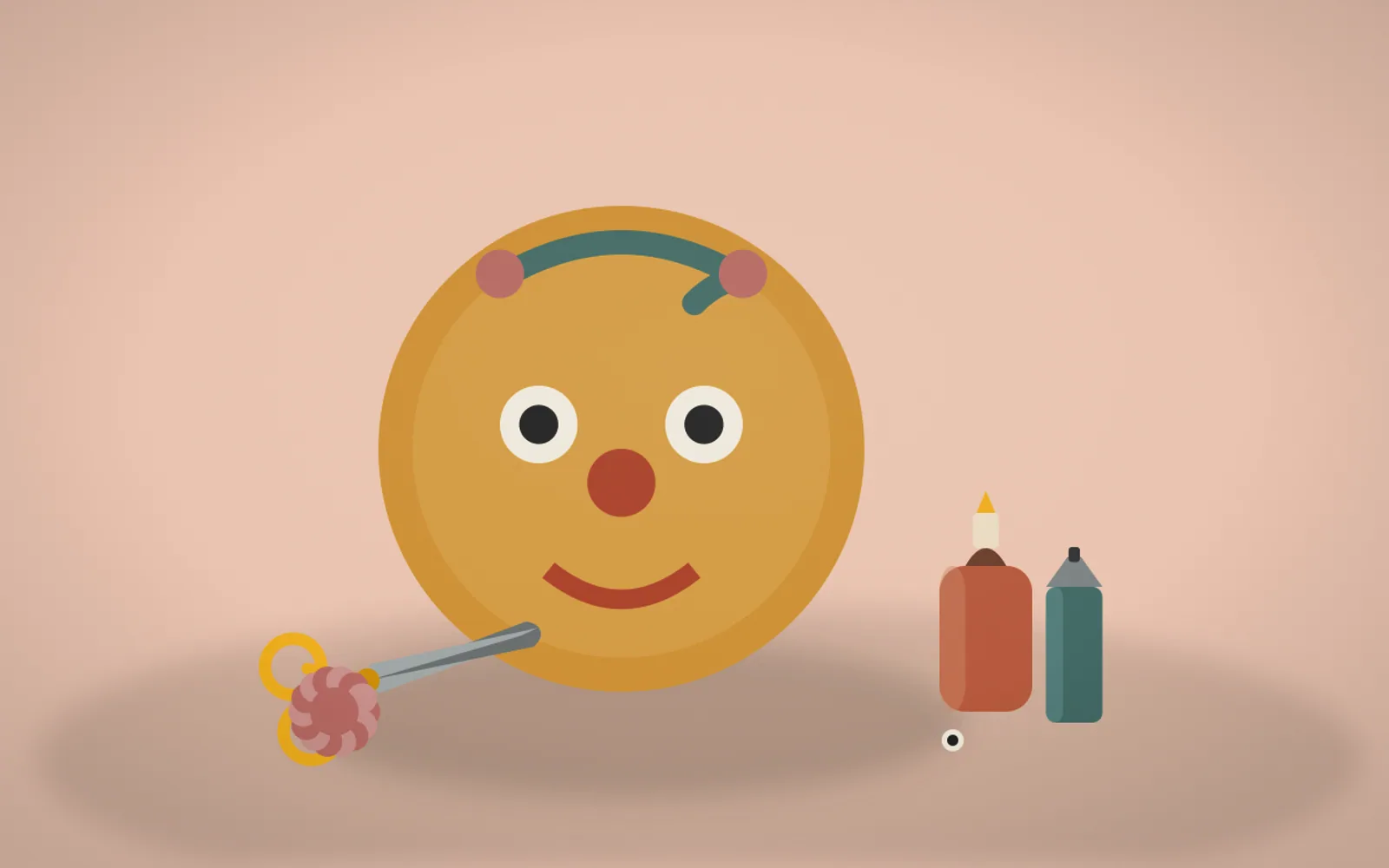
The plate does half the work before you start. Its round shape already frames a face, so even a few marker lines and two stuck-on eyes read as a creature immediately. That low barrier is why it works for a three-year-old and a teenager at the same table, just at wildly different levels of ambition. The toddler scrunches tissue into a lion's mane. The teenager builds a layered, papier-mâché fox with a moving jaw.
Beyond flat masks, people fold and stack plates into 3D animals: a plate bent double becomes a taco-shaped turtle, several glued in a row become fish scales or an owl's layered chest. Cut eye holes and add elastic for a wearable mask, or glue on a lolly stick for a handheld one. Hot glue handles the heavy bits, school glue does everything else.
Part of the fun is refusing to buy anything. Kits exist, with pre-cut pieces and pre-sorted sparkle, but the takeaway foil from last night and a weird felt offcut tend to produce better creatures than anything that arrives in a box.
How it works
A plain white plate is the standard starting point, but coloured or patterned ones save you a base coat. Cut eye holes, teeth, beaks, or flaps with child-safe scissors, or a craft knife for the grown-up jobs, then decorate with whatever's around: paint, markers, glued-on fabric scraps, pasta shells, cotton balls, ribbon.
For a wearable mask, punch two holes at ear level and thread elastic, knotting on the back so the knot sits flat against the plate rather than against the face. Flat craft elastic, 6 to 10mm wide, is far more comfortable for extended wear than round elastic, which digs in. For a handheld mask, hot-glue a lolly stick to the back instead, which suits very young children who find elastic fiddly. For 3D creatures, cut plates into halves or quarters and glue them into bodies, tails, and wings, or fold one double for a taco-shaped turtle and stack several for fish scales.
Hot glue handles the heavy add-ons, school glue does everything lighter. The kit versions come with pre-cut pieces and pre-sorted sparkle, but the foil from last night's takeaway and an odd felt scrap tend to make better creatures than anything that arrives in a box.
Benefits
What you need
Here's what to gather before you start. The essentials are marked.
Some links below are affiliate links. As an Amazon Associate, trylii.com earns from qualifying purchases, at no extra cost to you.
FAQs
Paper plates, scissors, and something to colour with. Everything else is a bonus. Cheap plain white paper plates work better than the coated party ones because paint and glue stick to them properly. Add elastic or a craft stick handle so the mask can actually be worn, plus glue, and any odds and ends for decoration: feathers, googly eyes, scraps of card, wool for hair.
Punch the holes about 1cm in from the edge, not right on the rim, and reinforce each hole with a small square of tape or a sticky reinforcement ring before threading the elastic. The rim is the weakest part of a paper plate, so an elastic tied straight through a bare edge hole rips out the first time a child pulls it on. Thin round hat elastic is more comfortable than the flat kind.
No, and that surprises people. The creature versions get genuinely creative: layered plates for a 3D owl face, a folded plate that becomes a snapping crocodile mouth, fringed edges for a lion's mane. Older kids and adults tend to push the design further once they see the plate as a base rather than a finished object. The simple flat mask is the toddler version, not the ceiling.
Use less water and work in thin layers. Poster paint and acrylic both sit on the surface better than runny watercolours, which soak in and warp the plate. If you want a wash of colour, let each layer dry fully before adding the next. A soggy plate almost always means too much water at once rather than too much paint.
You might also like
 TOGETHER
Homemade bouncy balls
TOGETHER
Homemade bouncy balls
 TOGETHER
Backyard camping
TOGETHER
Backyard camping
 TOGETHER
Decorated cardboard fort building
TOGETHER
Decorated cardboard fort building
 TOGETHER
Karaoke nights
TOGETHER
Karaoke nights
 TOGETHER
Sunday letter-writing ritual
TOGETHER
Sunday letter-writing ritual
 TOGETHER
Painted plant pot party
TOGETHER
Painted plant pot party
 TOGETHER
Stargazing nights
TOGETHER
Stargazing nights
 TOGETHER
Weekly family meeting ritual
TOGETHER
Weekly family meeting ritual
 TOGETHER
Family pizza-making night
TOGETHER
Family pizza-making night
 TOGETHER
Charades & party games
TOGETHER
Charades & party games
 KITCHEN
One-pan meal creation
KITCHEN
One-pan meal creation
 KITCHEN
Harvesting wild berries
See all in Together Time
KITCHEN
Harvesting wild berries
See all in Together Time