Layered cake decorating
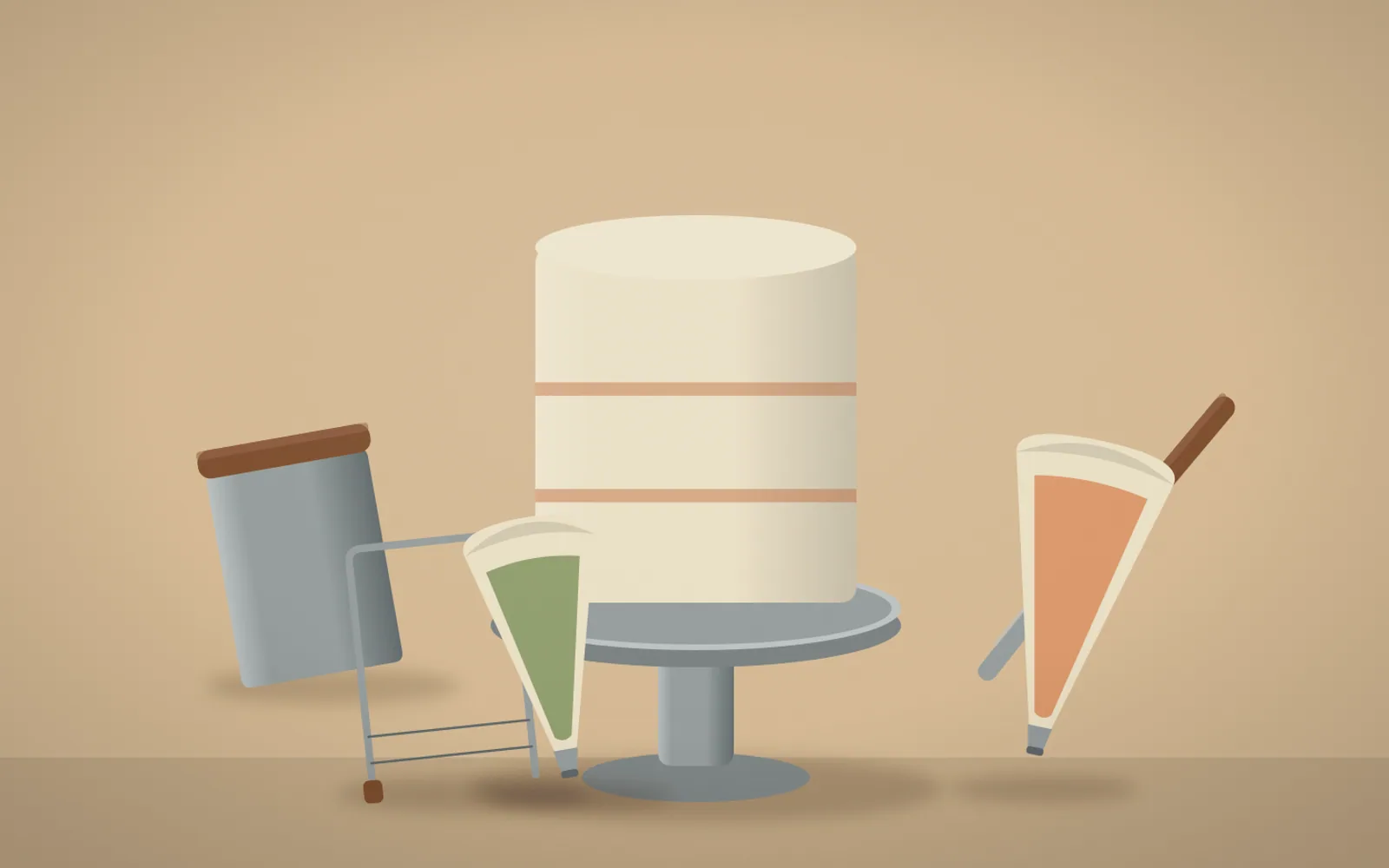
CostLow to Medium
Includes: Starter tool kit (turntable, offset spatula, scrapers) plus ongoing ingredients Example: Starter tool kit around 30-50, ingredients roughly 15-30 per cake
What it is
A birthday cake sits on the counter, four layers of sponge waiting, and the moment a clean swipe of buttercream wraps the side is the moment most people understand why this gets addictive.
Layered cake decorating is the practice of stacking baked sponge, filling between the tiers, then coating and finishing the outside so a plain bake becomes something people photograph before they cut it. It sits at the meeting point of cooking and visual craft. You think about flavour and structure at the same time as colour and shape, which is a rarer combination than it sounds.
The skill range is enormous. A beginner can finish a naked cake with fresh raspberries in an afternoon and feel proud of it. Someone three years in might spend a full weekend chasing razor-sharp edges or building a tier that defies gravity with a hidden dowel system.
What surprises most people is how much depends on temperature. Warm sponge tears, soft buttercream slides, and a cake that has not chilled between coats will never sit clean. The first time you nail a sharp edge after a proper 30-minute chill, the whole thing clicks. The learning curve is real but short, and most people who decorate three cakes stop buying them.
How it works
Level the cakes before anything else. A serrated knife works, but a long-bladed cake leveller gives you a flat surface every time and stops the finished stack from leaning. Domed tops trap air and cause sliding, so trim them flush and save the offcuts for crumbs.
The crumb coat is what separates a clean finish from a patchy one. Spread a thin layer of buttercream over the whole cake, thin enough that you can still see sponge through it, then chill for 20 minutes until it sets firm to the touch. This traps every loose crumb so your final coat goes on clean. Skipping this step is the most common reason a first attempt looks speckled and rough.
For the outer coat, a turntable changes everything. Hold an offset palette knife still against the side and let the rotation do the smoothing rather than dragging the blade around by hand. A metal bench scraper held at a slight angle gives sharper edges than plastic. Warm the blade under a hot tap and dry it between passes, because a warm edge glides through cold buttercream and leaves fewer drag marks.
Most people underestimate chilling time between layers. A cake assembled warm will bulge at the seams within the hour as the lower layers compress. Build it, chill it, then decorate.
Benefits
What you need
Here's what to gather before you start. The essentials are marked.
Some links below are affiliate links. As an Amazon Associate, trylii.com earns from qualifying purchases, at no extra cost to you.
FAQs
Three tools carry you a long way: a turntable (about €15), an offset spatula, and a metal bench scraper. The turntable is the one people skip and regret, because spinning the cake while you hold the scraper steady is what creates a smooth side. Everything else you already own. You can build a respectable two-layer cake with just those three and a serrated knife for levelling.
Two causes, usually together. Over-mixing whips air into the buttercream, and a cake that isn't cold enough drags crumbs through it. Chill the crumb-coated cake for 30 minutes before the final coat, then smooth with a scraper warmed under hot tap water and dried. For the bubbles already there, press the buttercream firmly against the bowl with a spatula for a minute before you start. It pops most of the air.
American buttercream. It's butter, icing sugar, and a splash of cream, which makes it the most forgiving to mix and the stiffest to pipe. It's very sweet, so if that bothers you, Swiss meringue buttercream is silkier and less sugary, but it needs a thermometer and heating egg whites to around 70°C. Start American, switch later if the sweetness gets to you.
Chill between every stage and use a filling dam. Pipe a ring of stiff buttercream around the edge of each layer before you add softer filling, so it can't squeeze out and slide. For anything over three layers, push a few plastic dowels or even bubble tea straws down through the cake to take the weight. Warm sponge and soft buttercream are what cause the lean, so refrigerate for 20 minutes before stacking.
A naked cake with fresh berries looks genuinely lovely and takes one afternoon. Sharp edges and perfectly flat sides are the part that takes practice, but you don't need them to make something people want to photograph. Most people who decorate three cakes stop buying them. The curve is real but short.
You might also like
 KITCHEN
Baked Alaska
KITCHEN
Baked Alaska
 KITCHEN
Festive fruit preserves
KITCHEN
Festive fruit preserves
 KITCHEN
Matcha whisking at home
KITCHEN
Matcha whisking at home
 KITCHEN
Brown butter making
KITCHEN
Brown butter making
 KITCHEN
Cooking with cast iron
KITCHEN
Cooking with cast iron
 KITCHEN
Creating spiced hot chocolates
KITCHEN
Creating spiced hot chocolates
 KITCHEN
Preserving lemons
KITCHEN
Preserving lemons
 KITCHEN
Wooden spoon care & oiling
KITCHEN
Wooden spoon care & oiling
 KITCHEN
Cooking with nettles
KITCHEN
Cooking with nettles
 KITCHEN
Designing themed cupcakes
KITCHEN
Designing themed cupcakes
 COLLECT
Ships in bottles
COLLECT
Ships in bottles
 WILD
Snorkeling in rivers/lakes
See all in In the Kitchen
WILD
Snorkeling in rivers/lakes
See all in In the Kitchen