Wooden spoon care & oiling
CostFree to Low
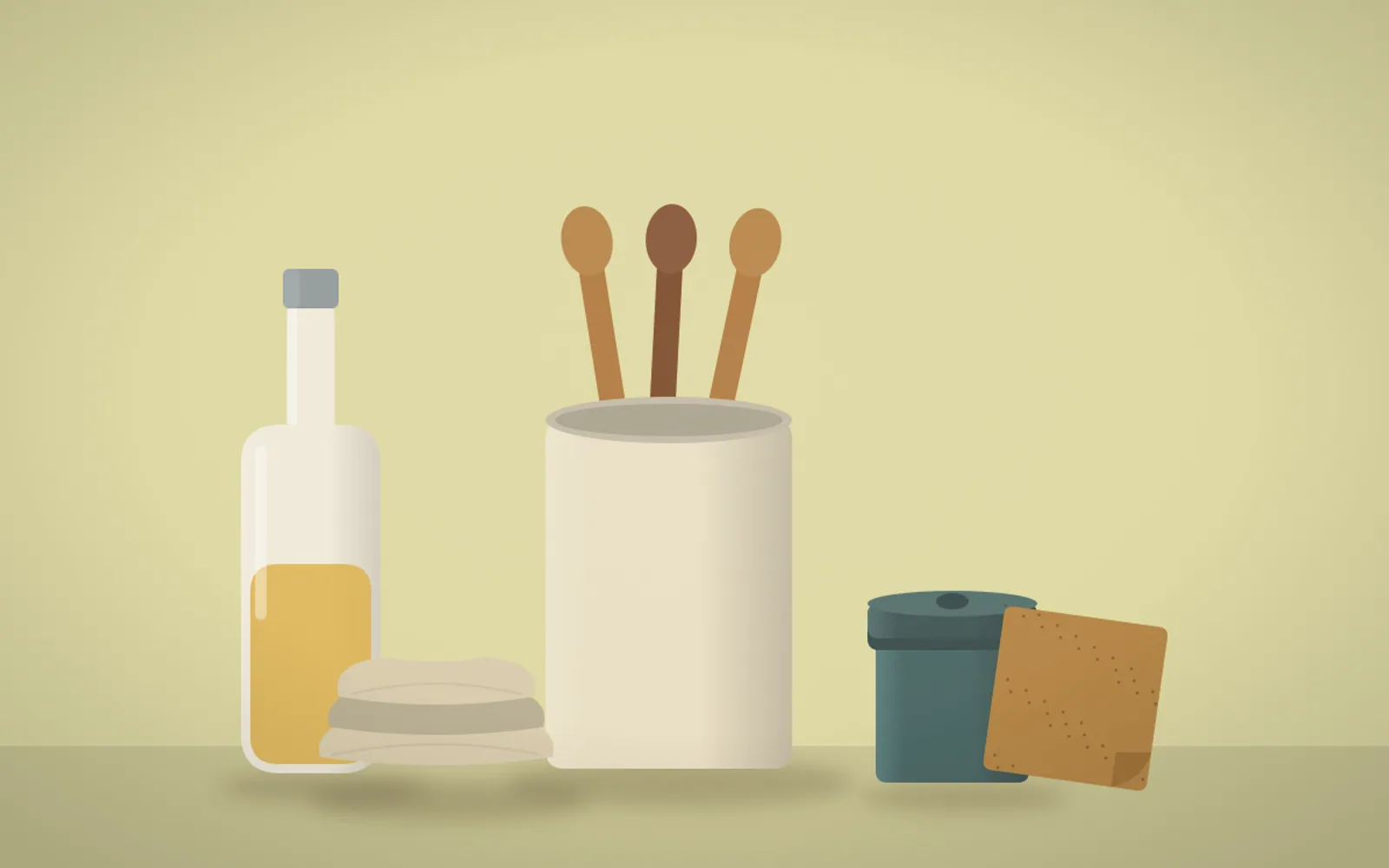
Includes: Food-grade mineral oil plus kitchen items you have Example: Mineral oil 5-10 for a bottle lasting years
What it is
A wooden spoon left to soak in the sink is being slowly destroyed, while one wiped, dried, and occasionally oiled can last for decades. Water, not use, is what kills wooden utensils, and understanding that reverses most of what people do to them.
Wooden spoon care and oiling is the practice of cleaning, drying, and periodically treating wooden kitchen utensils with food-safe oil to keep them from drying out, cracking, and harbouring bacteria. Wood is porous, so it absorbs water and swells, then shrinks and cracks as it dries unevenly. A regular coat of oil fills those pores, repels water, and keeps the wood supple and smooth.
The method is simple and quick. You wash spoons by hand rather than in a dishwasher, whose heat and prolonged soaking warp and crack wood, then dry them upright so water does not pool. Every few weeks, or when the wood looks dull and pale, you rub in a food-safe oil like fractionated coconut oil or food-grade mineral oil, let it soak in, and wipe off the excess. Most people start once a spoon begins to look grey and rough, which is the wood telling you it is thirsty. The honest note is that you must use a food-safe drying or inert oil, not ordinary cooking oils like olive or vegetable, which go rancid and turn sticky over time. A small bottle of mineral oil costs a few euro and treats utensils for years.
How it works
Choose the right oil before anything else, because the wrong one undoes the whole project within weeks. Food-safe mineral oil is the standard for wooden spoons and boards, since it never goes rancid the way cooking oils such as olive or vegetable oil do. Those kitchen oils turn sticky and sour over time, leaving the wood smelling off.
Clean and dry the spoon completely first. Any moisture trapped under the oil prevents it soaking in and can encourage mould. If the wood feels rough or fuzzy, a light sand with fine grit paper, around 220, smooths the grain that water has raised over months of washing.
Apply the oil generously with a cloth or paper towel, working it into the grain and the end grain especially, which is the thirstiest and most prone to cracking. Let it sit and absorb for a few hours or overnight, then wipe away whatever has not soaked in. The wood drinks up far more on its first treatment than you expect.
For lasting protection, a board butter combining mineral oil with beeswax goes on after the oil. The wax sits on the surface and repels water, while the oil nourishes deeper. Reapply whenever the wood looks dry, pale, or starts to feel rough again.
Benefits
What you need
Here's what to gather before you start. The essentials are marked.
Some links below are affiliate links. As an Amazon Associate, trylii.com earns from qualifying purchases, at no extra cost to you.
FAQs
Food-safe oil that won't go rancid, like fractionated coconut oil or a dedicated food-grade mineral oil. I avoid regular cooking oils such as olive or vegetable oil, which turn rancid and leave a sticky, smelly film over time. Mineral oil is cheap, lasts forever, and is what most chopping-board and utensil conditioners are based on. A beeswax-and-oil blend gives extra water resistance.
When the wood starts looking dry and pale, roughly every month or two with regular use. After washing, wooden spoons gradually lose their natural oils and look faded and feel rough, which is the signal to re-oil. I rub oil in, let it soak for a few hours or overnight, then wipe off the excess. New spoons benefit from a couple of coats to start.
Don't soak them, don't put them in the dishwasher, and oil them regularly. Cracking comes from wood repeatedly swelling and drying, which soaking and dishwasher heat cause, while a rough furry surface comes from prolonged water exposure raising the grain. I hand-wash, dry immediately, and re-oil when dry. If a spoon goes rough, a light sand with fine paper and a re-oil brings it back.
You might also like
 KITCHEN
Miso paste from scratch
KITCHEN
Miso paste from scratch
 KITCHEN
Grenadine from scratch
KITCHEN
Grenadine from scratch
 KITCHEN
Hand-pulled candy making
KITCHEN
Hand-pulled candy making
 KITCHEN
Preserving family recipes
KITCHEN
Preserving family recipes
 KITCHEN
Tempering chocolate
KITCHEN
Tempering chocolate
 KITCHEN
Baking geometric-patterned cakes
KITCHEN
Baking geometric-patterned cakes
 KITCHEN
Edible painting on cookies
KITCHEN
Edible painting on cookies
 KITCHEN
Making elderflower cordial
KITCHEN
Making elderflower cordial
 KITCHEN
Water kefir brewing
KITCHEN
Water kefir brewing
 KITCHEN
Pickling watermelon rind
KITCHEN
Pickling watermelon rind
 MIND
Chess
MIND
Chess
 VISUAL
Scrapbooking
See all in In the Kitchen
VISUAL
Scrapbooking
See all in In the Kitchen