Creating a cosy reading nook
CostLow
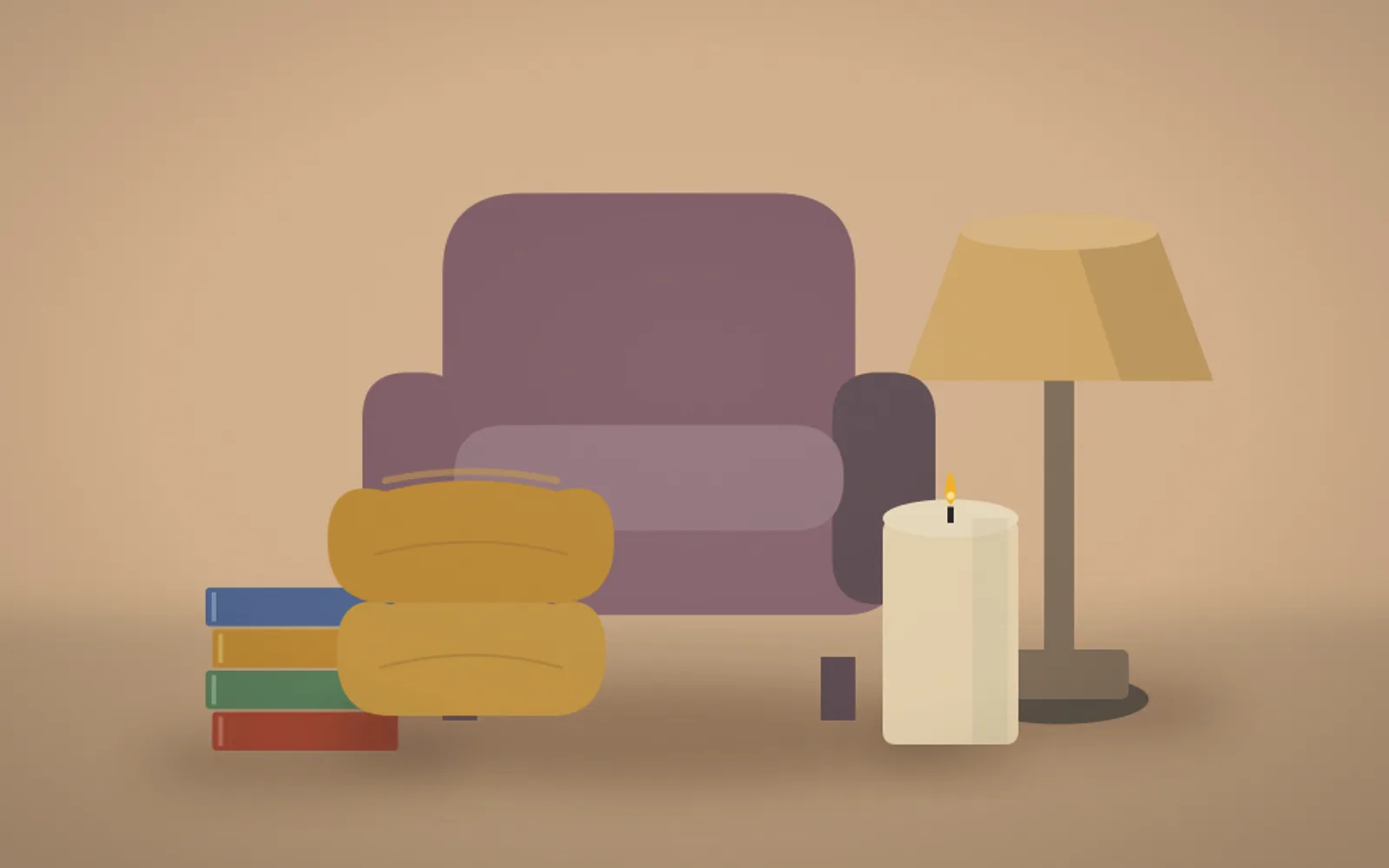
Includes: Floor cushions, lighting, side tables, throw blankets, book baskets, shelves, scented candles, or diffusers. Example: A few items like a lamp, pillow set, and used bookshelf can create a complete nook affordably.
What it is
The best reading spot in most homes already exists. It is just buried under laundry, or it is a corner by a window that nobody thought to claim. Finding it costs nothing; the rest is small, deliberate comfort.
Creating a cosy reading nook is the project of carving out a dedicated spot for reading, defined by good light, a comfortable seat, and a sense of being tucked away from the rest of the room. It might be an armchair by a window, a window seat with cushions, a corner with a floor lamp and a soft rug, or a built-in bench. The point is not expense but intention: a place that signals 'this is for reading and rest', so you actually use it.
Light is the single most important element and the one people most often get wrong. Natural daylight by a window is ideal for daytime, but for evening reading a warm, directed light source over the shoulder beats a harsh overhead bulb that casts a shadow on the page. A warm-toned bulb around 2700K reads as cosy where a cool white one feels clinical, and a dimmer turns the whole nook from functional to inviting.
After light, it is about layering soft things and reducing distraction. A throw, a couple of cushions to prop against, a small table for a cup and the current book, and somewhere within reach for the next few. Positioning the seat to face away from a television, or with your back to the room, genuinely helps the mind settle into a book. None of it needs to be bought new, and a nook assembled from things you already own often feels more personal than a catalogue-perfect one.
How it works
If the light is wrong, no amount of cushions will save the nook, so settle that first. A reading spot needs either good natural daylight beside a window or a dedicated warm task light over the shoulder, because reading by a dim central ceiling bulb is what makes a corner go unused. A 2700K warm bulb in an adjustable lamp puts light on the page without glare.
The chair or seat is the anchor, and comfort beats looks every time here. A wingback that supports the head, a deep armchair, a window seat with a firm cushion, or even a floor cushion and a sheepskin against a wall, the test is whether you can sit in it for an hour without shifting. Add lumbar support with a small cushion if the seat is too deep, which most are for reading upright.
Layer in the things that make you stay. A small table at arm's height for a mug and the book you are not currently reading, a soft throw for the inevitable temperature drop when you sit still, and a basket or low shelf for a few books within reach so you do not have to get up. The psychology of a good nook is that everything you need is reachable without standing.
Then make it feel enclosed and separate from the room's traffic. A nook works because it feels like a retreat, so tuck it into a corner, behind a bookshelf, into a bay window, or define it with a rug and a screen. Even a curtain on a rod across an alcove creates the sense of a small private room.
Benefits
What you need
Here's what to gather before you start. The essentials are marked.
FAQs
No, a corner is plenty. The best reading spot in most homes already exists, usually a window corner nobody thought to claim or a chair currently buried under laundry. You need a comfortable seat, good light, and a surface for a cup and a book. A nook is defined by comfort and a sense of enclosure, not square metres.
Layering and enclosure. A single chair in an open space feels exposed, but add a soft throw, a couple of cushions, a small rug to define the zone, and a lamp at reading height, and the same corner feels like a retreat. The sense of being slightly tucked away, with a wall or shelf at your back, does most of the work.
A warm, directional light positioned over your shoulder, not an overhead. A floor or table lamp with a warm bulb (around 2700K) beside the chair lights the page without glare or eye strain. Avoid a cool blue-white bulb, which feels clinical and is worse for winding down. Natural daylight from a nearby window is ideal for daytime reading.
Easily, since most of it uses what you already own. Pull a comfortable chair into a quiet corner, raid the linen cupboard for a throw and cushions, and move a lamp over. A charity-shop armchair and a secondhand floor lamp cost very little if you do need to buy. The expensive-looking nooks online are mostly clever arrangement, not expensive furniture.
You might also like
 HOME
DIY toilet fizz bombs
HOME
DIY toilet fizz bombs
 HOME
String light photo display
HOME
String light photo display
 HOME
Companion planting indoors
HOME
Companion planting indoors
 HOME
DIY lanterns or fairy lights
HOME
DIY lanterns or fairy lights
 HOME
Spring window box planting
HOME
Spring window box planting
 HOME
Air plant displays
HOME
Air plant displays
 HOME
Building a tool wall
HOME
Building a tool wall
 HOME
Macrame plant hangers
HOME
Macrame plant hangers
 HOME
Pet toys or pet accessories DIY
HOME
Pet toys or pet accessories DIY
 HOME
DIY eye pillows
HOME
DIY eye pillows
 MIND
Futoshiki puzzles
MIND
Futoshiki puzzles
 MIND
Perspective drawing exercises
See all in Made at Home
MIND
Perspective drawing exercises
See all in Made at Home