Metal detecting in parks or beaches
CostHigh
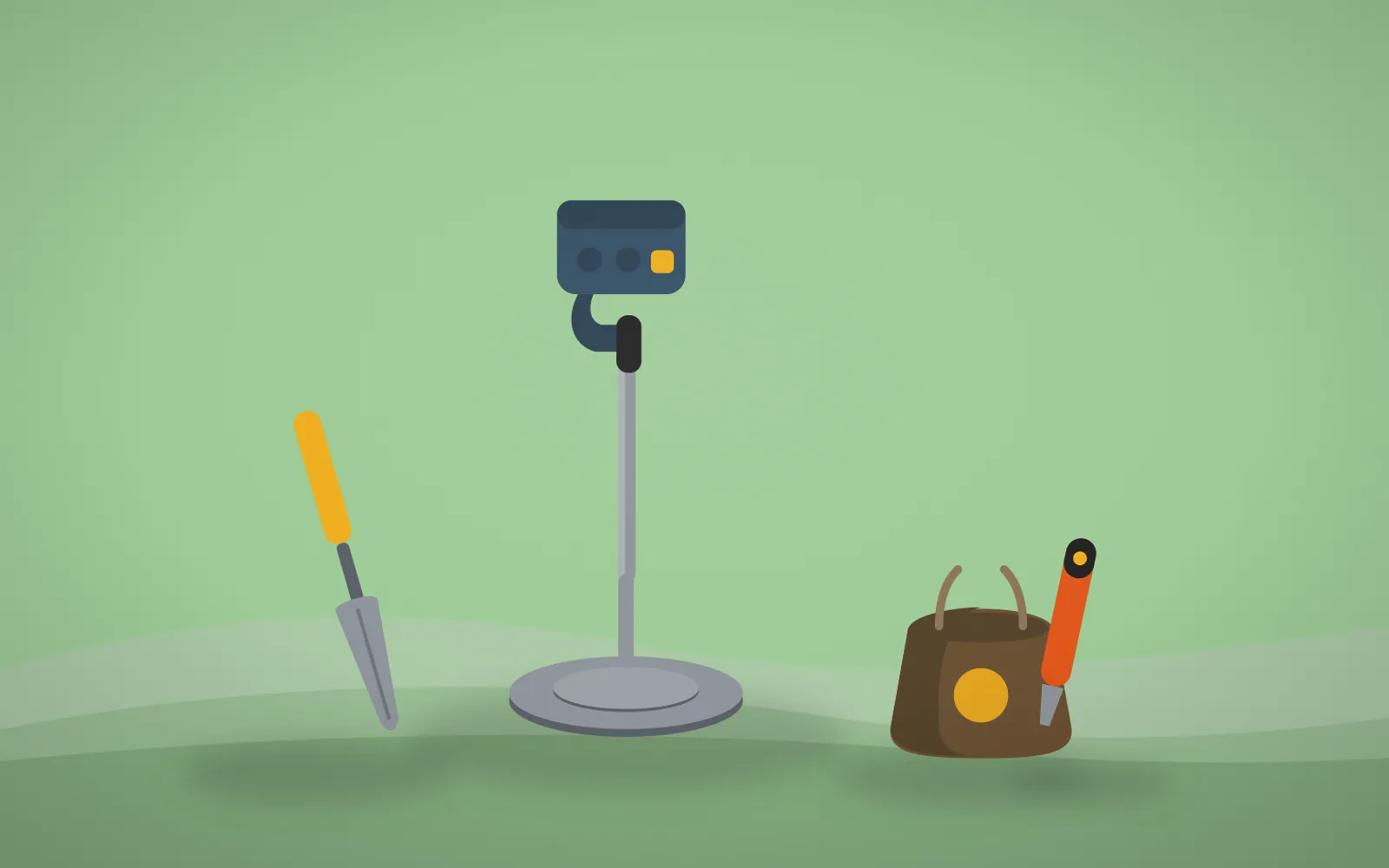
Includes: An entry-level detector and a digging kit Example: Entry-level detector €150–350, digging kit €30–60
What it is
Out on a falling tide, beach in front of you swept flat and empty, the detector lets out a sharp double-tone and your whole morning changes. Metal detecting is the practice of sweeping a sensor coil over ground, parks, beaches, fields, footpaths, to find metal buried just beneath the surface. Coins, jewellery, buttons, the occasional genuinely old artefact. Most of it is junk. Some of it is history.
The machine works by generating an electromagnetic field that reacts to metal underground, and a good one can discriminate between an iron nail and a silver coin before you dig. Beaches are the classic beginner ground, because sand is easy to dig and constantly churns up dropped rings and coins from swimmers. Parks and old commons reward patience and research, the knack of working out where people gathered a century ago.
The appeal is partly the treasure-hunt thrill and partly the slow detective work. You learn local history almost by accident, reading old maps to find vanished fairgrounds and demolished houses. Entry-level machines like a Minelab Go-Find or a Nokta start around €150, and the running cost after that is basically batteries and patience.
The honest reality is that you dig a lot of bottle caps and ring-pulls for every find that matters. People who stick with it learn to love the hunt more than the haul.
How it works
The mistake almost every beginner makes is buying a cheap single-frequency detector and then digging endless rubbish. Spend a little more at the start, around €150 to €300, on a multi-frequency machine that discriminates between metal types, so it can tell an iron nail from a silver coin before you put a spade in the ground. A Minelab Go-Find, a Nokta, or a Garrett ACE all do this well at the entry level.
Beaches are the friendliest starting ground because the sand is easy to dig and constantly churns up dropped rings and coins from swimmers. Work the wet sand near the waterline and the dry "towel line" where people sit. Saltwater confuses many detectors by making wet sand read as noisy mineralised ground, so a machine with good ground-balancing earns its keep on the coast.
Fields and old commons reward research more than luck. Old maps reveal vanished fairgrounds, demolished houses, and footpaths where people gathered and dropped things a century ago. Always get the landowner's permission before detecting on private land, because in many countries detecting without it is both illegal and the fastest way to ruin access for everyone.
Dig cleanly. Cut a neat plug of turf, retrieve the find, and replace the plug so the ground looks untouched, because careless holes are exactly what gets detectorists banned from parks. The honest reality is a high ratio of bottle caps and ring-pulls to anything good, and learning to read the machine's tones to skip the junk is the skill that separates a fun afternoon from a frustrating one.
Benefits
What you need
Here's what to gather before you start. The essentials are marked.
FAQs
A mid-range machine in the €200-350 range, like a Garrett ACE 400 or a Nokta Simplex, does almost everything a beginner needs. Cheaper toy detectors under €100 frustrate people into quitting, because they miss targets and can't discriminate junk from finds. Spend a little more once and you will keep going. Add a cheap pinpointer and a digging tool and you are set.
On land you have permission for, which for most beginners means your own garden, a friend's field with the owner's consent, or beaches where local rules allow it. You always need the landowner's permission on private land, and many parks, scheduled monuments, and protected sites are off limits entirely. Beaches below the high tide line often have separate rules, so check your local authority.
It depends on your country, but in England and Wales the Treasure Act means certain finds (gold and silver objects over 300 years old, and groups of coins) must be reported to a coroner within 14 days. The Portable Antiquities Scheme records other finds voluntarily and is worth using. Recording finds properly is part of doing this responsibly, not red tape to dodge.
Completely normal, and most of what you dig will be ring pulls, bottle caps, and foil for a long time. Learning to read the detector's tone and target ID to skip obvious junk is the real skill, and it comes with hours in the field. The occasional good find among the scrap is exactly what keeps people hooked.
You might also like
 WILD
Shed antler hunting
WILD
Shed antler hunting
 WILD
Creating personal “adventure maps” of your region
WILD
Creating personal “adventure maps” of your region
 WILD
Bodyboarding in the surf
WILD
Bodyboarding in the surf
 WILD
Skimboarding
WILD
Skimboarding
 WILD
Mountain biking
WILD
Mountain biking
 WILD
Gravel biking
WILD
Gravel biking
 WILD
Bushcraft fire building
WILD
Bushcraft fire building
 WILD
Rope and knot skills
WILD
Rope and knot skills
 WILD
Forest bathing walks
WILD
Forest bathing walks
 WILD
Making rope and cordage
WILD
Making rope and cordage
 KITCHEN
Hand-pulled candy making
KITCHEN
Hand-pulled candy making
 HOME
DIY toilet fizz bombs
See all in Wild & Active
HOME
DIY toilet fizz bombs
See all in Wild & Active